
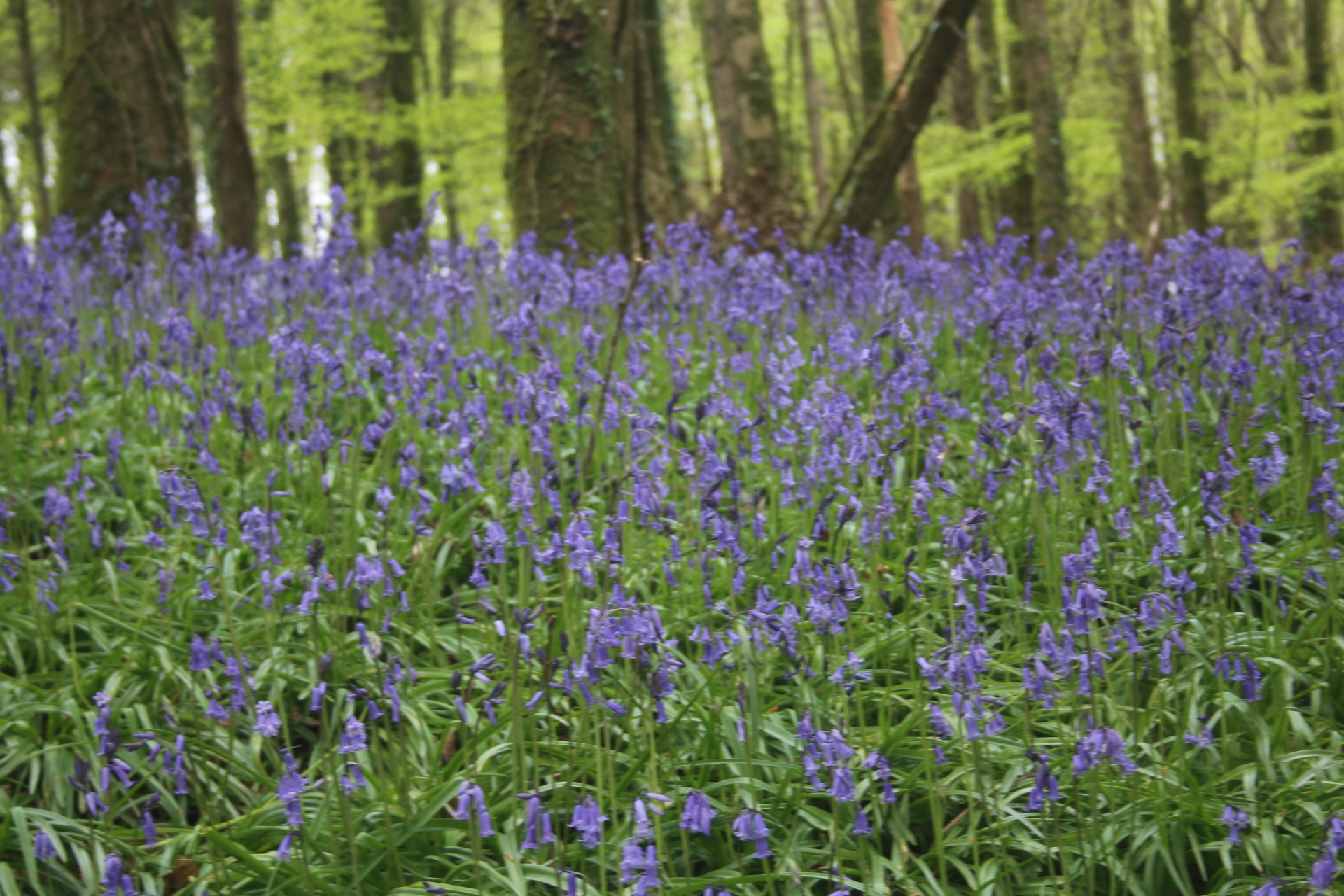
Bluebell
Hyacinthoides non-scriptus
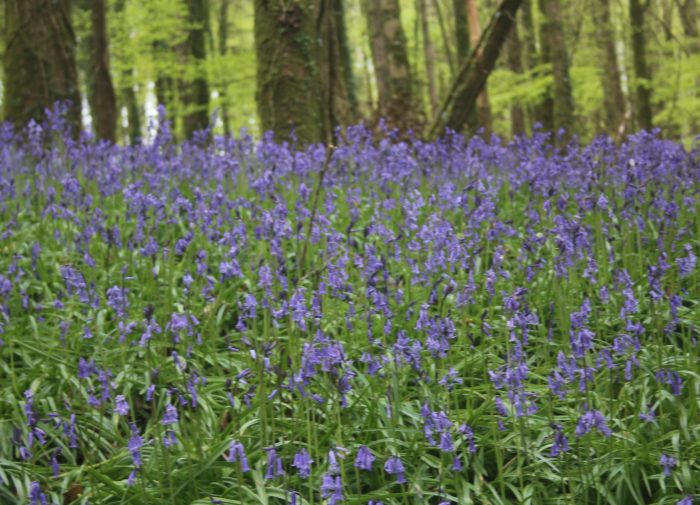
Product Data Sheet ‘p2’
Species Common Name: Bluebell
Botanical Name: Hyacinthoides non-scriptus
Bluebells require little introduction, they are very low maintenance, provide you can control blackberry and rampant ivy. They are easily grown from seed to produce a bulb and then flower, provided the seedling remain damp. In the early years of life, the young bulbs leaves looks like a chive then it develops true leaves and flowers. It takes time for a bulb, then time to swell and have enough energy to flower, but as they are will, they will flower and they will spread.
Bluebell enjoys shade and semi-sunny sites where the roots are cool, They flower early and look great on difficult to access banks. A hedgerow and woodland species will grow in certain acid grasslands such as are found in the Wicklow Hills.
Flower Colour: Blue, occasionally also white, lilac and pink esp’ in Cork area. We see white bluebells in the South east. Our crops have no other colour than Blue)
Bluebell grows in all types of soils except very wet bogs, Bluebell loves ‘leaf litter’ from broad leaf trees, conifer needles will do, as long as a leaf litter builds up.
Bluebells are the ideal plant to sow under bracken ferns as bracken builds humus rich soil which they really need if to spread. Will grow well with wild violets. Bluebells hate to try germinate on humus poor soil and sub-soils,
Landscaping with Bluebells, for impact, sow them under conifers with blue foliage or with white flowering spring shrubs, the first to flower of about 10 good blue wildflowers, they with ‘Bugle’ starts the summer long ‘blue season’, shame they don’t all like the same soil types. I suppose they call it the blues.
Not Edible : Poisonous species. Bluebells contain poison or very strong alkaloids and care should be taken when handling. Our Bluebell seed pickers get ‘thumping headaches” if they stay to long in the woods for the plants is often in a state of decay when the seed ripen in the rain, the bluebell decay fumes bring on the headaches
- Seeds require cold treatment, seedlings look like Chives or new blades of grass.
- Management: Persistence in woodland and certain managed grassland. Moderate tolerance of cutting but will compete well on steep banks with no cutting.
- Management options: Keep humus levels high, shelter the woodland floor from winds that remove leaf litter,
- Tolerance of cutting: None, Cutting time: n/a
- Life Cycle (Form): Perennial Bulb
- Moisture: Dry to wet
- Foliage Height: 15cm -30cm
- Flowering period: March to May
- Time to Flower: 3 – 5 Years
Wildlife Value: Pollinators, Where found growing the public tend to want to protect such sites.Yet such good intentions have, for my life time anyway, only ended up building car parks with EU funds and enticing more people into the bluebell woods which is exactly the disturbance and encroachment that Nature does not need.