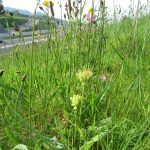
Biennial Wildflower
Native Biennial Wildflowers are usually fast growing plants that grow in one year, then flower the next, they seriously attract wildlife into your meadow for flowers, seeds and stalks.
(more Biennial FAQs below)
Most Biennials complete their life cycle from germination to the production of flowers and seeds in over 2 growing seasons and then die, other set seed but instead of dying, they linger on and try to recover, by developing offshoots. Some perennials behave like biennials (Red rattle/Marsh lousewort) and a few biennial plants act like annuals (White Campion and Sheeps Bit).
Examples of Biennials:
Foxglove, Kidney Vetch, Black Medic, Mullein, Hedge Garlic Mustard, Upright Hedge Parsley, Salsify , Queen Anne’s lace/lady’s lace, Weld, Wild Angelica and Wild Carrot.
Wild Parsnip is used to attract insects and can burn human skin, its only added if requested on very dry sites for conservation reasons.
Teasel, Alexanders, Opium Poppy and Honesty can be included, all be they not true natives, they are great wildlife and hardy plants that survive in the right conditions. (Opium Poppy is not the ‘opiate’ poppy)
Copyrighted original material by Sandro
Biennials tolerate stress and difficult ground and a few thrive in wetland or woodland or shades. Most grow fast and lush and many do not persist unless the soil is properly disturbed after cutting the flora down each autumn.
They flower within 12 months from sowing and while acting as a nurse species in the second year they also improve the soil.
Most biennials ATTRACT INSECT and BUTTERFLIES and are great for your Irish pollinator plans.
In Winter birds feed on taller uncut biennial seed heads.
When dead, Biennials produce long hollow stalks, ideal for making bug hotels.
Overwintering habitat for bugs always needs fresh material every year, so buying expensive bug hotel materials is eliminated by growing biennials, Just cut and bunch the stalks, fresh and clean, every year.
A Less Frequently asked Question. Are Biennials Dangerous?
Yes, some are, Mullien as a dried seed head will shed a fine hair that really stings your eyes and can persist for many days, very sore. Bugloss has spines, another reason we dont grow it. Lady’s lace explodes into seed pickers eyes as we pick ’em.
Foxglove will cure and/or kill you, depending. Parsnip burns skin.
Tall uncut material is a fire hazard in autumn in inappropriate areas, Tic’s climb tall plants, but there is a way to avoid tic’s. Spiders love biennial species.
Don’t worry, stay calm. you can scream when we leave the room!
Another frequently asked question about Biennial Wildflowers
‘Can Biennial wildflowers be used for flower arranging, do they dry well?’ Yes, most are ideal as dried flowers, some as dried seed head will shed their seeds. Biennials are not good confetti.
Species Warning, Vipers Bugloss the native strain is rare in Ireland and only grows on sandy soil.
Irish youtube videos showing breast high plants are clearly cultivated strains as the native plant only reaches knee high. Beware of lies, examine all the origins of species sold as native.
All the so called native species we see on social media are too tall, far too tall, to be native flora. instead they are cultivated species and clearly bred from them, and sold as wild seeds. ‘Shamefull’ can’t wait for the price of gene technology to reduce so we can examine all the origins of species sold as native.