
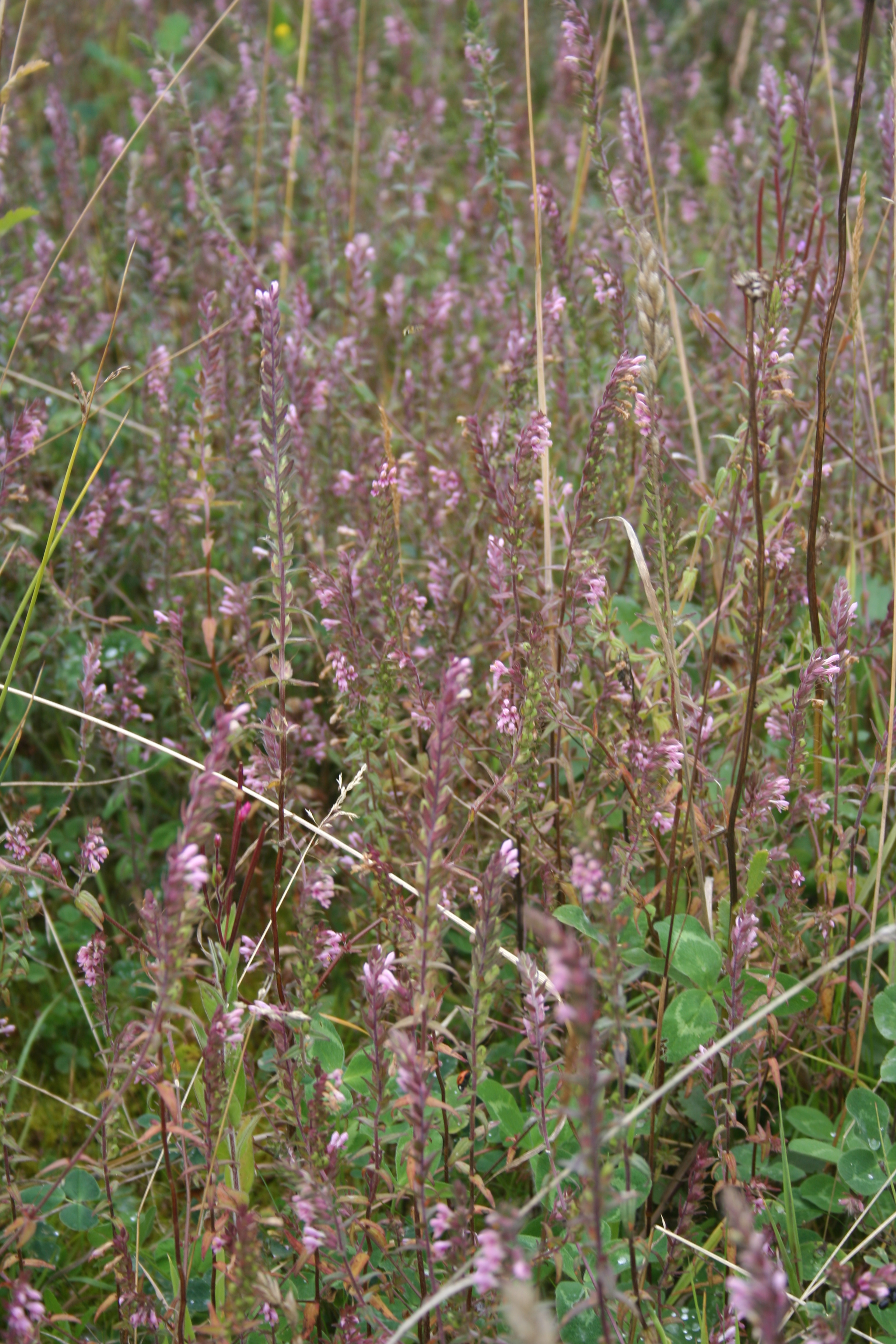
MM02 datapage
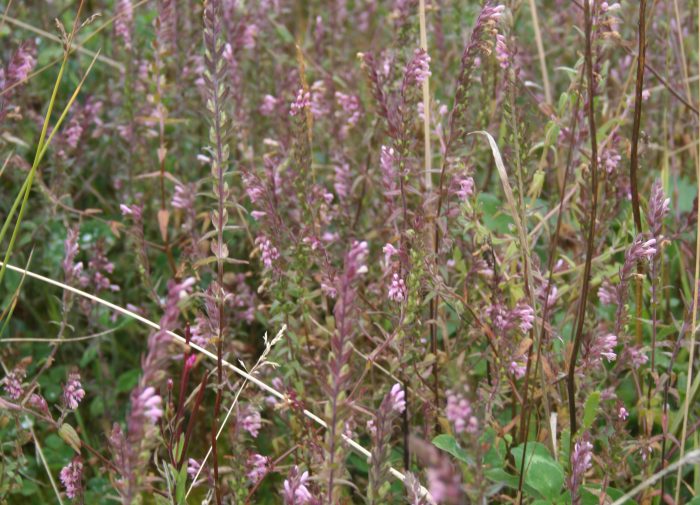
MM02
Full product Specification and data pages:
Datapage 2.
MM02 datapage
Key features:
Suitability: Ideal for heavy soils that stick to your shoes when wet.; suitable for Summer dry to all year moist and even short-term flooded conditions.
Life Cycle: Contains a mix of annuals, biennials, and perennials, grows a dynamic evolving long-term meadow.
Growth Height: Varies: If cut, 30cm to 50cm, one cut: 100cm, uncut over 200cm
Wintergreen Presence: Moderate, ensuring some greenery persists through winter months.
Adding commercial grass seed is not recommended. This mixture contains <1% native ‘host’ grass seed.
Species included
Design By Nature: Wildflower Meadow Mixture: Native origin, Irish sourced and farm grown from wild stocks
Long-term Perennials: Birdsfoot Trefoil, Bladder Campion, Cowslip, Devil’s-bit Scabious, Fleabane, Hemp Agrimony, Lesser Knapweed, Meadow Buttercup, Meadowsweet, Purple Loosestrife Ragged Robin, Red Campion, Ribwort Plantain, Self-heal, Water Avens, Woundwort, Yarrow, Yellow Agrimony
Short-term Perennials: Black Medick, Ox-eye Daisy, Red Campion, Red Clover, Sorrel
Biennials: Wild Angelica, Wild Carrot, Foxglove
Persistent Meadow-Annuals: Yellow Rattle, Eyebright
Cornfield-Annual Nurse-Crop: Corn Marigold, Corn Poppy, Corncockle, Cornflower, Scentless Mayweed
Sowing guide
First Year: Annuals will bloom profusely if sown before June. Cut once in late August – September after flowering. Can leave some annuals uncut over bare soil or at the back for birds to eat the seeds, cut these bits in spring.
Second Year: Biennials will add color. If the first-year growth wasn’t cut, remove foliage in early spring. Subsequent cuts can be made in July, August, or September based on flowering and weed presence and how short you wish to keep the meadow. If low fertility, only one cut in second year is needed.
Third Year Colour: In the early years MM02 starts off white with some yellow, pale pinks and mauve flowers. High summer sees the first Cream, Pinks and Purple, that will dominate. Acidic soils will tend to have more yellow.
Third Year Onward: Perennials establish and bloom. Manage native grasses by cutting in spring (before April) and again in July or August if they invade. For short meadow cut to >10cm after each flush of flowers finishes, 3 times in summer.
Species Data Page Resource
General Advice: Clay soil is nearly always more fertile than not, always remove cuttings to reduce soil fertility, which benefits wildflower growth over aggressive weeds and grasses.
Creeping buttercup must be removed in the early years, it’s toxic to plants on poorly aerated soils.
Sanrdo’s Tips
On clay soils, after an initial cleaning of the seed bed, weeds and grasses may re-invade, wait a few weeks and clean up the weeds again.
Sowing clay? Seeds can be slow in dry weather, dont water, just remove weeds and wait.
MM02 needs careful attention to secure a meadow, as site fertility will encourage weed growth. In the second or third year, do not let the commercial or wild grass present in your soil out-grow the wildflowers, cut the meadow back to 12 -16 cm and remove the cuttings.
Even when you think it’s not, Clay soils tend to be fertile, (yellowing grass can be a sign of cold weather or poor drainage and not poor fertility), to control rampancy due to fertility the meadow should be cut in spring and/or late July or August and if you have the time again in Autumn. Always clear the cutting and do not let any more fertility build up on clay soils. Rake off all the cuttings.
MM02 will be at its best between July and September. The tall Meadow Buttercup will provide great spring colour to start the season Do not confuse Meadow Buttercup with Creeping Buttercup, which is not included, but may be present on many a clay soil.
Problems May Arise:
If you get Creeping buttercup, cut the meadow just before the Creeping buttercup flowers, if the problem gets worse over-sow the meadow with grasses to control infestation of creeping buttercup, followed by yellow rattle seeds in autumn. Willow seedlings can also grow on clay soil, please pull as soon as you spot them, or they become a forest before you know.
Meadow Mixture Range & Landscape Bespoke
Our Meadow Mixture Range is most suitable for large areas, as meadows tend not to grow in small spaces under 500 square metres in size. We stock other similar products in our other ranges that may contain better behaved species for smaller spaces.
For ‘landscapers’ sowing parks and large areas, we try to keep the cost down in our Meadow Mix range by including species that are easy to grow and harvest. If you seek bespoke additions, contact us early, as meadow mixtures are blended in huge quantities, that once blended cant be altered until the next blending, usually every 6 months.
Seedy Facts
MM02 contains 35 species, long term, expect about twenty perennial and two annuals species to persist.
Sow Rate 1.5 gram per metre = 200 -300 seeds per metre
As many seedling will eventually grow to large plants, the final stocking rate is about 10 species per Square metre. = Cowslip, Devil’s-bit Scabious, Fleabane, Lesser Knapweed, Meadow Buttercup, Meadowsweet, Purple Loosestrife Ribwort Plantain, Self-heal, Water Avens, Yarrow, Yellow Agrimony,
Expect Yellow Rattle, Eyebright, Birdsfoot Trefoil, Bladder Campion, Ragged Robin, Red Campion and Woundwort to die out if not maintained to their liking and able to self seed and grow into mature plants.
Yellow Rattle must be Autumn sown, if sowing MM02 in spring place an advance order for Rattle,as we always sell out.
PDF: Download full Specification. | Get more info | More MM02 photos
Click here to download full specification
Get more info
See more photos of MM02
What is our Minimum Order Value or Weight?