Life Cycle: Hardy annual, germinates, flowers and seeds all in one growing season, then sets seed and dies, being an annual
Soil Moisture: Wide range, dislike wet and flooded soils
Pollinator Friendly: Yes Easy to grow: Yes
Nature Services: Pollinator plant. Acts as an Annual Nurse Crop
Wintergreen: No, Corn marigolds die off and do not persist
Sowing Rate: 0.5 grams per square meter | Seeds per Gram: >3000
Sow Method: Cast by hand or mini seed spreader.
Timing: Sow Autumn or Spring. best not sown July or August as plants try to flower in current year.
Preparation: Create a firm, fine tilth on the seedbed surface. scatter and press down, no need to cover. Can be covered with 1 mm fine grit,
Aftercare: Post-sowing, Roll if dry or rake the surface, just once. If open grown outside, no watering required, if in trays, flats pots, raised beds or window boxes, water weekly.
Germination Rate: Fast, 60% of seed in first 8 weeks, unless in extreme weather
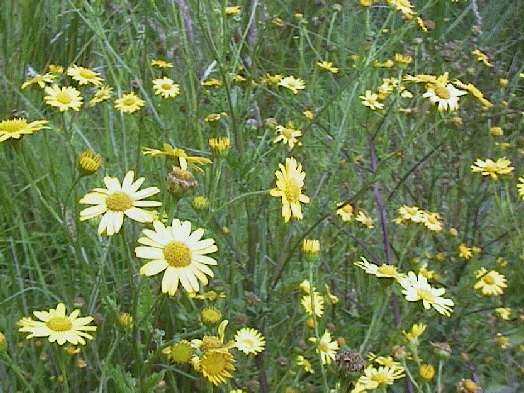
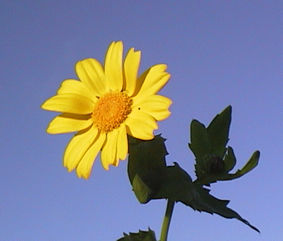
What to expect: Fast growing, rich yellow multi-flowering plant, hoverflies love this species.
General Advice: If transplanting, do so very early at two or four leaf stage, they hate being disturbed as large plants, always water well before transplanting.
Please be patient, will germinate after vernalisation (winter cold treatment)
Will bloom if sown before June. The flower for up to 8 weeks and then set seed and die off, not to re-grow in grass or meadows, as they cannot compete.
Self Seedling: Yes | Spreads by roots: No
Best Planting Type: Seeds, also young transplants
Suggested planting: Sow this species, so that you can watch its flowers follow the sunshine. a great species for light soil, if sown too thickly, will smother all other seedlings and keep areas very weed free.
Perfect in Cornfield annual mixtures, ideal as a nurse crop for meadow establishment. As with all annuals can be cleared away in autumn, and the seeds will re-appear next spring
Another Great Irish Native Plant for Ireland’s Pollinators.
Biodiversity: This plant when in it’s native ecology attracts and supports Biodiversity as a range of species will visit it. This plant species is an important part of the food chain
Garden Biodiversity: This Species in Gardens is both colourful and attracts bees.
Rampancy: Yes Toxicity: Yes
Edibility: Seeds Yes Herb: No See Plants for a Future Database for all other uses.
Origin: Native Sourced Irish Wildflowers, farm grown from wild stock species that we saved and distributed across Ireland since 1987. First collected in Wexford, Carlow, Kilkenny and Louth, main crop grown in Urlingford
Conservation:
Wild sources has been collected by us mainly in Leinster. These local genotypes were then bred up and ‘grown on’ into one large crop which we mostly grow in Urlingford.
Depending on the weather, we sow the crop in early March.
Conservation and Threat Level: Like all cornfield annuals, Corn Marigold is endangered, we would say it natural habitat is nearly extinct. There is only very few fields we know that have native Corn Marigold. lucky we made a national collection before the in-flood of cultivated so called ‘wildflower’, which unlike ours, those imports are really cultivar varieties of wild plants, not the real thing at all, at all, atall…
Living Gene-Bank: As crop and stored seed, also as soil stored seed in old crops
An Imithe species: No, although finding real native sources is getting much harder as cultivars are also imported
Download this page
and then ‘Get More’ Info about this species (If available)
Save Resources: The Environment will benefit if you save the link to this page to your favourites instead of printing or downloading. As we all now know, it costs data centre energy to download and save pdf’s. Printing also uses scare resources.
Save to favourites and instead spend your time and resources saving species