
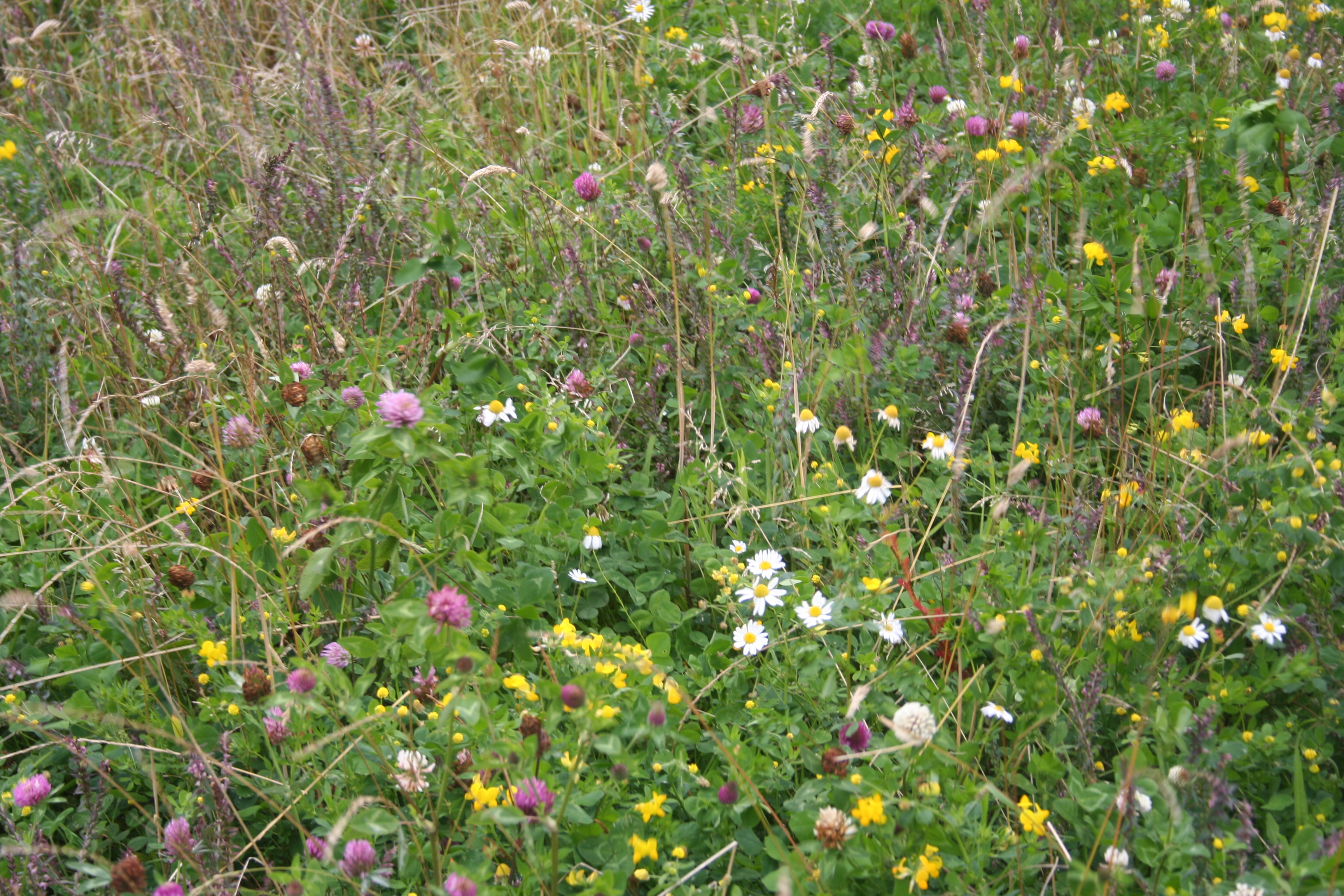
What to Expect Quick Guide

First Year: The annuals supplied in this mixture will flower profusely, provided they are sown before June. This mixture requires one cut when finished flowering. If growth is heavy, its best to cut and clear at the end of year. If sparse, usually on poor soil, no cutting required
Second Year: In the second year the few biennials will flower along side the short term perennials. If this mixture was not cut in first year, cut and remove foliage in early Spring. Cut again in July, August or September, depending on when flowers finish or the level of weeds that emerge.
Third Year Onward: Perennial species are still young, many will only have germinated in the second season, so flowers will be sparse. However, there should be identifiable foliage and some early short lived flowers. If not contact us.
If the native grass seeds that were present in your soil grow vigorously, the meadow will require two or three cuts, the first cut in Spring (April) and the second cut in June/ July, even if the flowers are blooming and again in August September, the meadow can again be cut in winter if the grasses are still growing strong.
Tip: Always remove cuttings to reduce soil fertility, which benefits wildflower growth over aggressive grasses. Never leave cutting to shed seed, as most seed has already fallen, cutting will knock more and if it rains lifting cutting is problematic.